What is CTR and Where is it Used?
This comprehensive guide explains Click-Through Rate (CTR), a crucial digital marketing metric that measures ad performance. It covers how to calculate CTR, provides standard benchmarks across different advertising channels (targeted, contextual, and display), and offers actionable strategies to optimize your campaigns for higher quality traffic and better conversion rates.
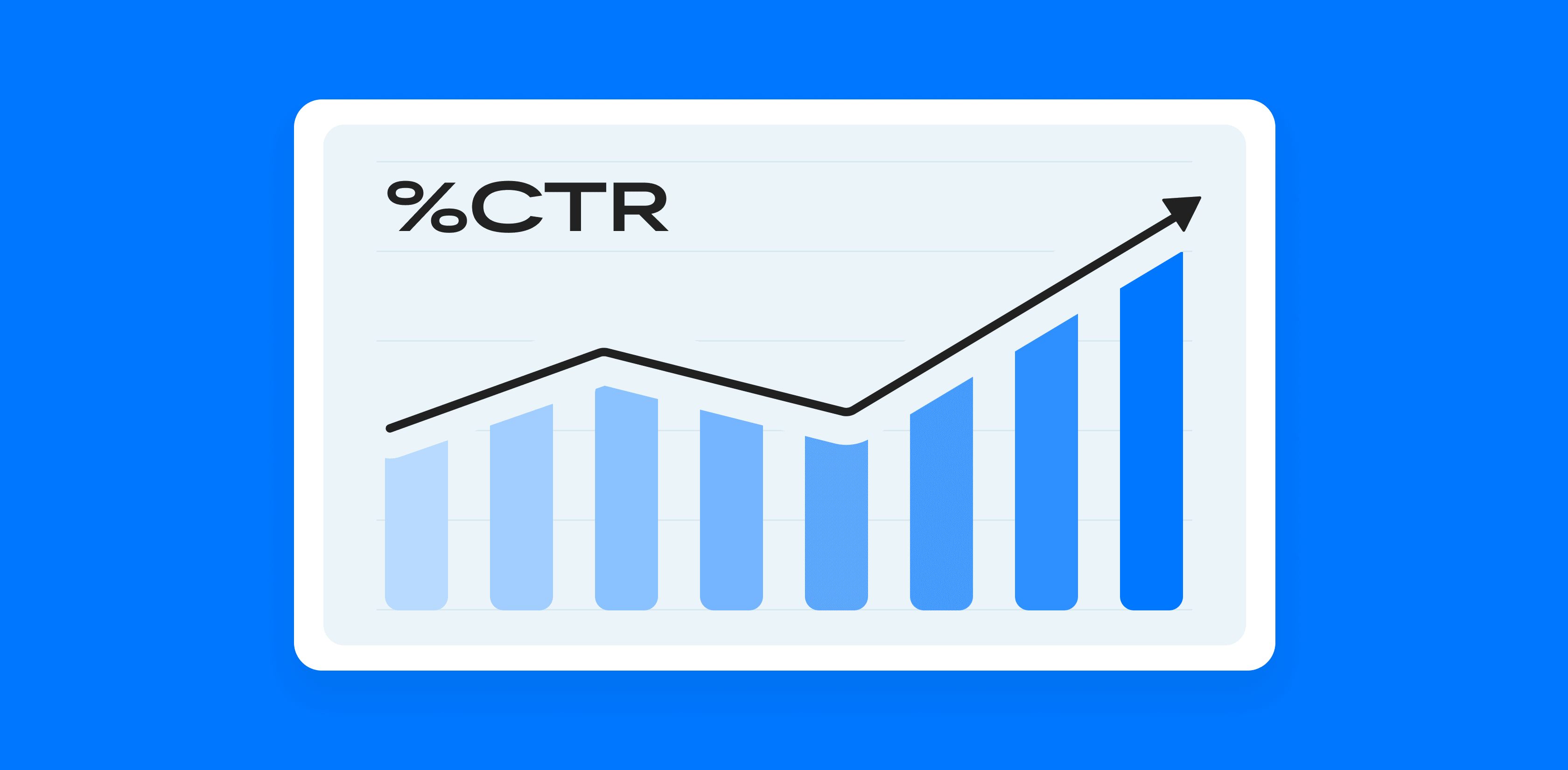
CTR (Click-Through Rate) reflects how well your ad attracts potential clients, helping you spend your advertising budget wisely. However, this metric doesn't indicate user motivation or guarantee traffic quality—users might click accidentally, due to intrusive formats, or they might be a non-target audience.
CTR is used across various tools (targeted and contextual ads, banners, CTA buttons) and directly impacts: Ad Spend:With fixed impression pricing, a higher CTR lowers your cost per click. Traffic Quality: Purposeful clicks lead to highly interested visitors who are more likely to convert. Promotion Strategy: Identifying which ads resonate best helps you plan future campaigns.
Calculation and Key Factors
Knowing your CTR helps track landing page traffic and manage costs. Ad platforms often reward highly clickable ads by displaying them more frequently, though in predictive auction models, a higher CTR might increase the winning impression bid.
The standard formula is: Clicks / Impressions × 100% = CTR (e.g., 50 clicks / 3500 impressions × 100% = 1.4%).
Several core factors influence this metric:
- Ad Relevance: Ads must address the specific needs and pain points of your target audience.
- Audience Warmth: "Warm" clients click significantly more often than "cold" ones.
- Design & Creatives: Visuals should attract attention without being annoying.
- Keyword Strategy: Relevant phrases boost CTR, while irrelevant ones drag it down.
What is Considered a Normal CTR?
There is no universal average CTR. It depends on the advertising system, niche competition, seasonality, and ad type. Here are standard benchmarks:
- Targeted Ads: Shown based on user criteria, not immediate intent. CTR typically ranges from 0.1% to 1%.
- Contextual (Search) Ads: Shown to a "warm" audience actively searching for a product, often yielding a higher CTR of 5–10%.
- Display Ads: Banners and videos focused on brand awareness rather than direct sales. A normal CTR is around 0.35%.
How to Improve Clickability & The Bigger Picture
To increase your CTR and attract targeted traffic, apply these strategies:
- Refine Your Offer: Formulate a clear Unique Selling Proposition (USP) and avoid frustrating users with deceptive clickbait.
- Segment & Tailor: Divide your target audience into segments (e.g., cat owners vs. fish owners) and tailor creatives/texts specifically for each.
- Optimize Keywords: Use mid- and low-frequency keywords, and always set up negative keywords to filter out irrelevant traffic.
- Strengthen Copy & Design: Highlight clear benefits, use striking visuals, study competitors' bonuses, and include a definitive Call to Action (CTA) like "Download" or "Register".
Share this article


Content








Start With a Free Start With a Strategy Review
We’ll break down your current setup, identify growth opportunities, and show what needs to change to improve performance.

Clear understanding of your current performance;
Key issues and missed opportunities;
Practical next steps.